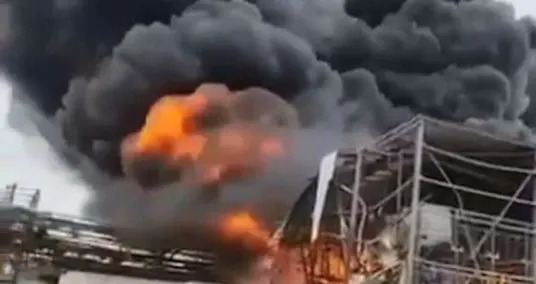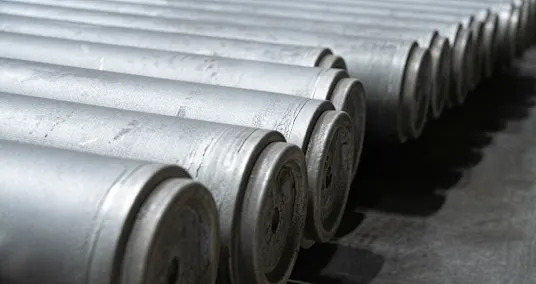
Fears of global aluminium shortages that could affect the production of clean energy technologies intensified after Iran struck two major Gulf aluminium producers, sending prices to a four-year high. The Middle East accounts for 9% of the world’s production of aluminum, which is essential to a wide range of industries from transportation, construction, and packaging, as well as the manufacture of solar panels, electrical transmission systems, wind turbines, and EVs.
Export shipments to the US and Europe had already come to a halt because of the effective closure of the Strait of Hormuz, and Morgan Stanley economists singled out aluminium as carrying a high level of risk across the value chain. Andy Farida, an aluminium analyst at Fastmarkets, told Semafor that high prices would be passed on to end-users, ultimately causing demand destruction. “A prolonged shutdown (with little to no alternative supplies other than Russia and China) could cripple the supply of aluminium to support the production of clean and green technology,” he said, adding that relief could come “if governments allow some sanctioned Russian and Chinese aluminium to be imported.”

latest_posts
- 1
 Mars orbiter sees 'butterfly' crater spread its wings on the Red Planet
 - 27 Fun Plans to Make Film Evenings Seriously Energizing (You'll Cherish #5!)
- 3Steven Spielberg's 'Disclosure Day' trailer drops: What we know about the alien movie
- 4Zelensky names spy chief to head presidential office after corruption row
- 5South Africa collects record $117B tax haul



- Discovery of massive spider's web in Greece reveals unexpected behavior
- Hezbollah claims right to respond to killing of top commander
- ADHD drugs work, but not the way experts thought
- I'm an 83-year-old yoga instructor. I'm not your typical grandma — I still work to feel fulfilled and supplement my Social Security.
- The cave was pitch black – so to create this magical underwater shot, the photographer had to use all his camera expertise...
- The next frontier in space is closer than you think – welcome to the world of very low Earth orbit satellites
- Dependable Savvy Locks to Update Your Home Security
- Iranian missile hit on Ne'ot Hovav factory leads to fear of chemical leakage
- Promising Speculation Bearings for Portfolio Development in 2024