Japan's SANAE TOKEN saga has entered a new phase, with fresh media reports alleging the prime minister's office knew more than it admitted. But for crypto markets, the bigger story is what happens next in Tokyo's legislature.
The political noise and the regulatory signal are arriving at exactly the same time.
How the Token Unraveled
SANAE TOKEN launched on Solana on Feb. 25, as BeInCrypto reported. NoBorder DAO — a community led by serial entrepreneur Yuji Mizoguchi — issued it as part of a "Japan is Back" initiative, with Takaichi's name and likeness on the project website. The token surged over 40x on launch day before Takaichi's March 2 denial triggered a 58% crash.
The FSA opened a probe into NoBorder DAO for operating without a crypto exchange license. The token's operators halted issuance shortly after.

Japanese Tabloid Reports Secretary's Approval
Weekly Bunshun, a Japanese tabloid known for breaking political and celebrity scandals, says developer Ken Matsui told the magazine his team informed Takaichi's office that the project was a crypto asset. That directly contradicts her March 2 denial. Takaichi said neither she nor her office had been told anything about the token.
The publication says it obtained audio recordings of Takaichi's chief secretary over a period of more than 20 years, reportedly describing the project favorably. Another Japanese online media reported that Takaichi's office had not responded to media inquiries on the matter as of Tuesday. Takaichi has held no press conference since February 18, when her second cabinet was inaugurated.
The political dimension remains unresolved. What matters for crypto is whether the scandal accelerates — or complicates — Japan's regulatory overhaul.
FSA Bill Changes the Rules
Japan's Financial Services Agency submitted its landmark crypto reform bill to parliament this week, Asahi Shimbun reported. The legislation moves crypto from the Payment Services Act into the Financial Instruments and Exchange Act, reclassifying digital assets as financial instruments for the first time.
As BeInCrypto previously reported, the maximum prison term for unlicensed crypto sales would triple to 10 years, with fines rising from ¥3 million to ¥10 million. The SESC gains criminal investigation powers it has never held over crypto operators. The SANAE TOKEN case was explicitly cited in Nikkei's reporting on the legislative push.
The bill would also void transactions with unregistered operators by default, making it easier for investors to seek refunds — a provision directly relevant to the SANAE TOKEN case.
Read original story Did Japan’s PM Actually Back the Memecoin Bearing Her Name? by Oihyun Kim at beincrypto.com





 Who is behind Al-Majd, the Israeli-linked evacuation group sending Gazans to South Africa?
- Allow Innovative Progressions To have a Tremendous Effect
- 10 Famous Frozen yogurt Flavors All over The Planet
- Find the Captivating Professional flowerbeds of the US
- Don't fall for it: These common tourist scams in Rome are easy to avoid if you know what you're looking for
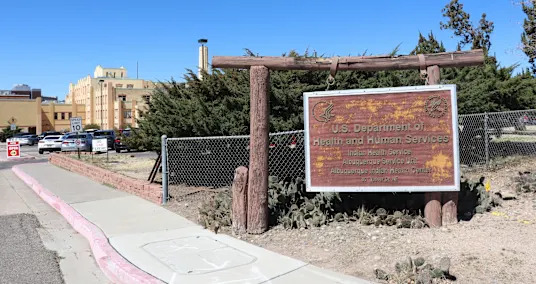
- Indian Health Service is digging out of decades-old construction backlog for medical buildings
- 6 Famous Urban communities for Shopping on the planet
- Israeli girl suffers cardiac arrest during sirens in Safed, hospitalized in serious condition
- FDA approves Wegovy pill for weight loss